
Storms in the UK can be unpredictable, bringing heavy rain, strong winds, and even hail. While much attention is often paid to pitched roofs, flat roofs are particularly susceptible to the effects of severe weather.
Their level surfaces can allow water to pool, membranes to stretch or tear, and drainage systems to become blocked, all of which can compromise the roof’s effectiveness. Understanding these risks emphasises why post-storm inspections are essential.
A timely inspection after a storm is not just a precaution; it is a practical step to prevent minor damage from escalating into expensive repairs.
Flat roofing is a long-term investment in a property, and maintaining its integrity ensures both safety and value.
By addressing issues early, property owners can avoid structural problems, leaks, and potential insurance complications that might arise from neglected storm damage.
Understanding Storm-Related Damage to Flat Roofs
Flat roofs face a unique set of challenges during storms. Heavy rain can collect in low spots, causing ponding, which increases the likelihood of leaks and structural stress.
Wind can lift membrane edges or loosen flashings, while hail may puncture or damage the roof surface. Over time, repeated exposure to these conditions can significantly reduce the roof’s lifespan.
Other common issues include debris accumulation and blocked drainage systems, both of which can prevent proper water runoff.
Even seemingly minor damage, such as small membrane tears or lifted seals, can allow water to penetrate the roofing system.
Ignoring these problems can lead to extensive interior damage, from water stains and mould to rotting timber and weakened insulation.
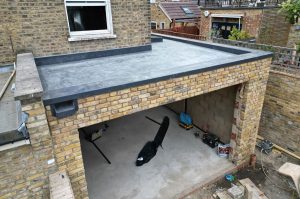
Signs That a Flat Roof Needs Immediate Inspection
There are several clear indicators that a flat roof requires urgent attention following a storm. Visible water pooling on the roof surface or leaks inside the property are the most obvious signs.
Additionally, damage to roof edges, flashings, and joints may suggest the membrane has been compromised, leaving the structure vulnerable to further water ingress.
Debris such as branches and leaves can block drains and gutters, leading to standing water that accelerates wear and tear.
Unusual sagging, soft spots, or cracking on the roof surface also indicate structural stress or potential water damage beneath the membrane.
Recognising these warning signs early is crucial to preventing more severe problems.
The Inspection Process
Professional roof inspectors follow a structured process to assess post-storm damage. Initially, they conduct a visual inspection to identify obvious issues, such as lifted membranes, punctures, or pooling water.
They then examine the drainage system to ensure water can flow freely and check roof edges, flashings, and joints for signs of detachment or deterioration.
Advanced tools may also be used to detect less visible damage. Moisture meters can identify water trapped beneath the roof membrane, while drones or telescopic cameras can safely inspect hard-to-reach areas.
By combining these methods, inspectors can provide a comprehensive report and recommend necessary repairs before minor issues escalate.
Benefits of Regular Post-Storm Inspections
Scheduling a post-storm inspection offers several advantages. Catching small issues early can prevent expensive repairs and extend the lifespan of the flat roof.
A well-maintained roof continues to perform efficiently, protecting the property from water ingress and structural damage.
Additionally, inspections contribute to the safety of building occupants by identifying potential hazards such as weakened sections of the roof.
Regular roof inspections also help property owners meet insurance requirements, ensuring that any claims for storm damage are supported by documented maintenance records.
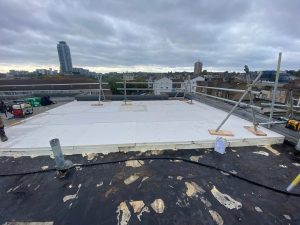
DIY Checks vs Professional Inspections
Homeowners can undertake simple checks to monitor their flat roof’s condition after a storm. Walking around the perimeter to look for obvious pooling, debris, or damage to flashings can provide an initial assessment.
However, it is important to prioritise safety and avoid accessing the roof in dangerous conditions.
Professional inspections remain essential for thorough evaluation. Experts have the skills, experience, and equipment to detect hidden damage that could compromise the roof’s integrity.
Neglecting professional assessment can result in overlooked problems that worsen over time, ultimately leading to costly repairs or replacements.
Conclusion
Storms are an unavoidable part of UK weather, and flat roofs are particularly vulnerable to the consequences.
Timely inspections following severe weather play a crucial role in preserving the roof’s integrity and preventing minor damage from escalating.
By acting promptly, property owners can protect their investment, prolong the roof’s lifespan, and maintain safety for building occupants.
After any significant storm, arranging a post-storm flat roof inspection with a trusted professional is a proactive step that ensures long-term peace of mind.