
Flat roofing has become an increasingly popular choice in modern UK architecture due to its sleek appearance and the flexibility it offers in design.
However, despite their advantages, flat roofs can be prone to issues that pitched roofs naturally avoid, particularly problems associated with trapped moisture.
One of the most important, yet often overlooked, aspects of flat roof design is proper ventilation. Without adequate airflow, a flat roof can develop a range of issues that compromise both its durability and the comfort of the building below.
Neglecting ventilation can lead to more than just minor inconveniences. Condensation can accumulate under the roofing membrane or within insulation layers, creating damp patches that eventually result in mould growth or structural weakening.
Over time, these problems can lead to costly repairs and even the need for full roof replacement. Ensuring your flat roof is correctly ventilated is therefore a critical step in protecting your investment and maintaining a healthy indoor environment.
What Is Flat Roof Ventilation?
Flat roof ventilation is the process of allowing air to flow freely beneath the roofing surface to regulate temperature and remove excess moisture.
There are two main types of ventilation systems: passive and mechanical.
Passive systems rely on natural airflow through strategically placed vents, while mechanical systems use fans or extractors to actively move air.
Both approaches are designed to prevent moisture accumulation and to maintain the integrity of the roof structure.
The purpose of ventilation goes beyond simply moving air; it helps to balance temperature differences between the interior and exterior of the building.
Without proper ventilation, warm, moist air from inside the building can condense on cooler roof surfaces, damaging insulation and leading to deterioration of roofing materials.
Ventilation ensures that these processes are controlled, reducing the risk of long-term damage and maintaining the efficiency of the roof.

Why Proper Ventilation Matters
Proper ventilation is essential for preventing condensation and damp issues within a building. Moisture trapped under the roof can seep into insulation, reducing its effectiveness and leading to higher energy bills.
By allowing air to circulate, ventilation helps to remove this moisture before it can cause lasting damage, ensuring the roof maintains both its structural and thermal performance.
In addition to protecting insulation, good ventilation extends the lifespan of roofing materials. Flat roofs are often exposed to varying weather conditions, and without airflow, the combination of heat and trapped moisture can accelerate the deterioration of membranes and coatings.
Adequate ventilation also minimises the risk of mould, rot, and other structural problems, helping to maintain the overall integrity and safety of the building.
Signs of Poor Flat Roof Ventilation
One of the most obvious signs of inadequate flat roof ventilation is persistent dampness or water pooling on the roof surface.
This can occur both on top of the roof and within the internal structure, indicating that moisture is not being removed effectively. Another warning sign is mould growth, which may appear inside rooms, on ceilings, or on the underside of the roof membrane.
Other indicators include warping or premature deterioration of roofing materials, which can occur when trapped heat and moisture cause expansion and contraction.
Increased energy bills may also be a sign, as heat loss from poorly ventilated roofs forces heating systems to work harder.
Recognising these signs early can prevent minor issues from developing into major problems.
How to Ventilate a Flat Roof Properly
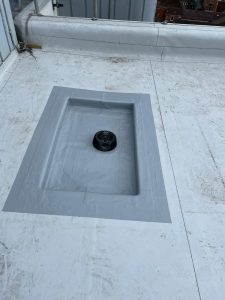
Planning ventilation is much easier during the construction phase of a flat roof. Designers and builders can incorporate vents such as ridge vents, soffit vents, or air bricks to ensure a consistent flow of air beneath the roof membrane.
For existing roofs, retrofitting ventilation may be necessary to correct airflow issues and reduce condensation.
The type and placement of vents are critical for optimal performance. Vents should be positioned to allow air to enter at low points and exit at higher points, creating a natural airflow.
For larger or more complex roofs, mechanical systems may be required to maintain adequate ventilation. Consulting a professional ensures that the ventilation system is correctly sized and installed, reducing the risk of costly errors.
Common Mistakes to Avoid
A common mistake is blocking vents during insulation or maintenance work. Even small obstructions can significantly reduce airflow, undermining the effectiveness of the ventilation system.
Homeowners and contractors must ensure vents remain clear and unobstructed at all times.
Another frequent error is underestimating the volume of airflow required. Using insufficient or incorrectly sized vents can lead to uneven ventilation, leaving some areas of the roof susceptible to condensation and damp.
Choosing inappropriate materials that restrict airflow, such as non-breathable membranes, can also compromise the system. Awareness and proper planning are key to avoiding these issues.
Maintenance Tips for Flat Roof Ventilation
Regular inspection of vents is essential to ensure they are functioning properly. This includes checking for blockages, damage, or debris that may restrict airflow.
Small maintenance tasks, such as clearing leaves, twigs, and other obstructions, can prevent more serious issues from developing.
Scheduling periodic professional checks is also advisable, particularly for larger or more complex flat roofs. A roofing specialist can assess the performance of the ventilation system, recommend improvements, and ensure that all components are operating as intended.
Proactive maintenance helps to prevent costly repairs and extends the lifespan of the roof.
Conclusion
Proper ventilation is a crucial component of any flat roof, protecting against condensation, damp, mould, and structural damage.
By ensuring a continuous flow of air beneath the roofing surface, homeowners can maintain insulation efficiency, reduce energy costs, and extend the life of their roof.
Taking proactive measures to install and maintain an effective ventilation system is far more cost-effective than dealing with the consequences of poor airflow.
Consulting a qualified roofing professional can provide tailored solutions for your specific roof, giving peace of mind that your flat roof remains safe, durable, and efficient.