
With energy costs climbing and climate concerns growing, many UK homeowners and businesses are seeking out sustainable energy solutions.
Solar panels have emerged as a popular option, not just for their environmental benefits but also for their potential to significantly reduce electricity bills.
While pitched roofs are often the go-to for solar installations, flat roofs are increasingly being recognised for the unique advantages they offer.
Whether you’re looking to upgrade your home or future-proof a commercial building, flat roofs can serve as an excellent foundation for a solar array. However, installing panels on a flat surface comes with its own set of considerations.
This blog explores the key design factors, practical installation tips, and long-term benefits of fitting solar panels to a flat roof in the UK.
Why Choose a Flat Roof for Solar Panels?
Flat roofs provide far more flexibility in terms of solar panel placement compared to pitched roofs.
Installers can adjust the angle and orientation of the panels precisely to maximise sun exposure, which is especially useful if the property doesn’t naturally face south.
This flexibility helps improve efficiency and ensures you’re getting the most out of your solar investment.
From a visual standpoint, solar panels on flat roofs are much less obtrusive. They’re often barely visible from ground level, which helps preserve the appearance of your home or business premises.
Additionally, flat roofs offer easier access for maintenance, cleaning, or repairs, reducing both hassle and cost over the long term.
Key Design Considerations
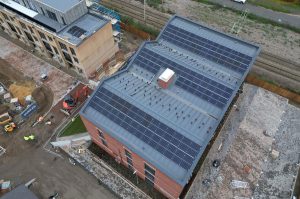
The angle and orientation of solar panels are critical for optimal performance. In the UK, a tilt of around 15 to 35 degrees, facing due south, is ideal to capture the most sunlight throughout the year.
Because flat roofs are level, installers use specialist mounting systems to angle the panels correctly. These frames are crucial for ensuring the system performs efficiently in all seasons.
Structural integrity should never be overlooked.
Solar panels, along with their frames and ballast, add significant weight to the roof. Before installation, a structural assessment must be carried out to confirm that the roof can support the load.
This step is essential for meeting UK building regulations and avoiding costly problems down the line.
Shading and Obstructions
Shading is one of the most common reasons solar panels underperform. Trees, chimneys, roof lanterns, and even other parts of the building can all cast shadows that limit energy generation.
Before committing to an installation, it’s important to assess the roof throughout the day to identify potential shading issues—tools like solar pathfinders or digital apps can help with this.
Even minor obstructions can reduce efficiency by affecting one or more panels, especially in systems where panels are linked together.
A well-designed flat roof system will space out the panels to avoid shading each other and be positioned to maximise exposure.
Taking the time to evaluate your site properly can lead to much better returns over the life of your system.
Roof Waterproofing
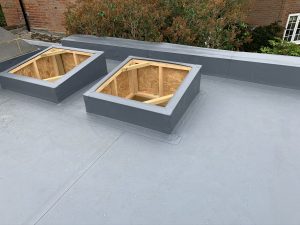
Protecting the waterproofing layer of a flat roof is vital during and after a solar panel installation. Drilling into the roof membrane can lead to leaks, so non-penetrative mounting systems are often used.
These systems rely on ballast—usually concrete blocks—to weigh the panels down securely without damaging the roof surface.
It’s also worth noting that solar panel frames can create points where debris or water might collect, so good drainage design is key.
Installers should ensure that the waterproof layer remains intact and accessible for inspections. Proper installation safeguards both your solar investment and the longevity of your roof.
Installation Tips
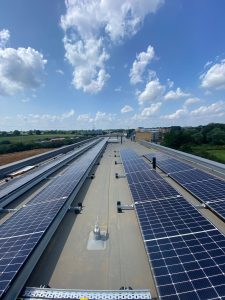
One of the most common approaches for flat roofs is to use a ballasted mounting system. These systems sit on top of the roof without needing to be bolted down, using weighted blocks to hold the panels in place.
This method avoids any damage to the waterproof membrane and allows for adjustments if needed in the future.
Cable management is another often-overlooked aspect of installation. All wiring must be properly secured and protected against water ingress and UV exposure.
Installers should ensure cables are routed efficiently and safely, ideally through weather-sealed conduits, and positioned away from areas that might collect water.
Drainage Considerations
Flat roofs can be prone to pooling water, so solar panels mustn’t interfere with natural drainage. Panel frames should be elevated enough to allow water to flow beneath them and avoid any blockages near roof outlets or gutters.
If water is allowed to collect, it can cause long-term damage to both the roof and the mounting system.
Access to gutters and drainage outlets must remain clear after installation. Maintenance teams need space to clear debris and ensure water can escape freely.
Ensuring good drainage not only protects the roof structure but also reduces the risk of leaks and deterioration beneath the panels.
Maintenance and Monitoring
While solar panels are largely low-maintenance, they still benefit from regular checks to ensure they’re functioning optimally. Flat roofs make access easier and safer, allowing for routine inspections without the need for specialised equipment.
Cleaning dirt or bird droppings off the panels can help maintain peak performance.
It’s also worth investing in a monitoring system to track your solar output. These systems alert you to any faults or drops in efficiency, which can often be resolved quickly before they affect your savings.
A quick annual check by a professional and regular system monitoring can go a long way in keeping your solar setup running smoothly.
Costs and Return on Investment
The cost of installing solar panels on a flat roof varies depending on roof size, panel type, and mounting system.
While flat roof installations may involve slightly higher setup costs due to mounting hardware, the long-term energy savings often outweigh the initial outlay.
Over time, the system pays for itself through lower energy bills and potential income from selling excess electricity back to the grid.
In the UK, government schemes such as the Smart Export Guarantee (SEG) allow you to earn money by exporting unused electricity. When combined with reduced bills, the return on investment can be highly attractive.
On average, homeowners see payback within 8 to 12 years, often sooner for commercial properties with higher energy usage.
Choosing the Right Installer
Not all solar installers are created equal, and it’s essential to choose a company with experience in flat roof systems. Ask whether they use MCS-certified panels and installers, as this certification is often required for eligibility in government incentive schemes.
An experienced installer will understand the nuances of flat roof mounting and waterproofing, reducing the risk of issues later.
Before signing any contracts, ask for a detailed quote that includes structural assessments, mounting solutions, and estimated output. A good installer will also discuss access, drainage, and maintenance during the planning stage.
Taking the time to choose a reputable company can save you from costly mistakes and ensure your solar system performs at its best.
Conclusion
Flat roofs offer an excellent opportunity to harness solar energy, providing both flexibility and discretion in panel placement.
When installed correctly, they can deliver long-term savings, environmental benefits, and minimal visual disruption.
From orientation and waterproofing to drainage and access, flat roof solar installations demand a thoughtful and professional approach.
By considering the key design elements and working with an experienced installer, you can enjoy all the benefits of solar energy without compromising your property’s integrity.
With energy prices continuing to climb, now is the perfect time to explore whether your flat roof could be doing more for you—and the planet.