
In recent times commercial architecture has moved towards modern designs that balance functionality and style. Among the many roofing options, flat roofs have become the go-to choice for many commercial buildings.
Their unique features not only add to the overall architectural look but also offer many benefits that meet the needs of today’s business.
This blog will look at the reasons why flat roofs are perfect for commercial buildings, cost, space, design flexibility, ease of installation and maintenance, sustainability and drainage.
Knowing these benefits will help property developers and business owners make informed decisions on their roofing choices.
Cost Effectiveness
One of the main reasons flat roofs are chosen in commercial construction is cost. The initial construction cost of flat roofs is generally lower than traditional pitched roofs.
This is mainly because of the simpler design and less material required which can save the overall budget of the project.
Also, flat roofs have lower long-term maintenance and repair costs. The simple design makes inspections and repairs easier, so minor issues can be addressed before they become major problems.
Energy efficient flat roofing systems can also save a lot on utility bills which adds to the overall profitability of the building.
Space Utilisation
Flat roofs offer more space utilisation opportunities than traditional pitched roofs. The vast and flat surface of a flat roof can be turned into outdoor spaces such as rooftop gardens, terraces or even employee leisure areas. Space maximisation is especially useful in urban areas where land is scarce.
Also, flat roofs provide a platform for various installations such as solar panels and HVAC systems. By using the roof space for these technologies businesses can increase their operational efficiency and contribute to sustainability.
The ability to create areas on the roof also adds value to the property making it more attractive to tenants or buyers.
Design Flexibility
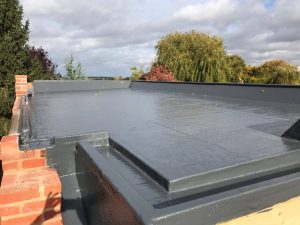
Another reason why flat roofs are popular in commercial buildings is design flexibility. Flat roofs can blend with various architectural styles and can have modern and innovative designs that add to the overall look of the building.
This flexibility makes them suitable for many applications from retail spaces to office buildings.
Besides being compatible with many styles flat roofs can also have minimalist designs which are trending in modern architecture. Their clean lines and simple form can create a striking visual impact and contribute to the overall brand image of the building.
This design flexibility means flat roofs can meet the needs of businesses while looking good.
Ease of Installation and Maintenance
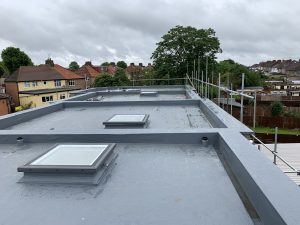
Flat roofs are also known for ease of installation and maintenance making them a good option for commercial builders. The simple construction process means flat roofs can be completed faster than pitched roofs, reducing labour costs and time to complete the project.
This is especially useful for businesses that want to minimize downtime during construction.
Once installed flat roofs are easy to access for routine maintenance. This makes maintenance easier and property managers can address issues quickly and effectively.
The reduced risk of damage from extreme weather conditions also adds to the reliability of flat roofs, making them a good investment for commercial properties.
Sustainability
Sustainability is a big consideration in modern construction; flat roofs offer many eco-friendly options. Many flat roofing systems use eco-friendly materials reducing the overall carbon footprint of the building.
Plus the option to have green roofs allows businesses to contribute positively to their local environment by promoting biodiversity and improving air quality.
Also flat roofs can help mitigate the urban heat island effect by reflecting sunlight and reducing heat absorption. This not only cools the environment but also the building.
By incorporating sustainable practices in flat roof design businesses can align with their environmentally conscious values and appeal to the growing demographic of eco-aware consumers.
Drainage Solutions

Drainage is a big consideration for any roofing system; flat roofs are designed to drain well. While some may think flat roofs can pool water, modern engineering has solved this problem.
Properly designed flat roofs have efficient drainage systems that can channel water away from the building minimizing the risk of leaks and structural damage.
Compared to pitched roofs, which often have snow and water accumulation issues, flat roofs have a better drainage solution. The flat surface allows for strategic placement of drainage outlets and water can flow away from the building.
Coupled with high quality waterproofing materials flat roofs can provide long-term protection against the elements and keep the building safe and dry.
Conclusion
In short flat roofs have many advantages that make them suitable for commercial buildings. From cost effectiveness and space efficiency to design flexibility and ease of maintenance flat roofs meet the needs of modern businesses.
Sustainability is added to the mix and flat roofs are a forward-thinking option in commercial architecture.
As property developers and business owners consider their roofing options the benefits of flat roofs should not be ignored. By choosing this versatile roofing style they can create functional, beautiful and sustainable spaces for today’s commercial environment.
If you want to explore flat roof options talk to roofing professionals to assess your needs and make informed decisions.