
Flat roofs need regular checks, yet many homeowners put it off until a leak finally shows itself indoors.
At Watkins Flat Roofing, we’ve seen people try to guess the problem from the ground, only to realise later that a minor defect had quietly spread across the membrane.
Choosing the right type of inspection can make the process far less stressful and may even save money in the long run.
Some people prefer a straightforward visit from a roofer, while others are curious about the idea of a drone capturing everything from above.
Both approaches have their strengths, yet they suit different situations.
Understanding how each option works may help you decide which one feels more practical for your property.
What a Drone Roof Survey Involves
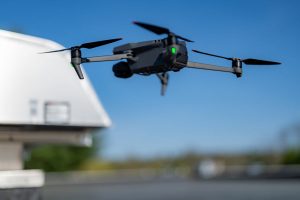
A drone survey relies on high-resolution cameras to capture images and video of the roof’s condition.
The operator flies the drone across the surface, taking close-up shots of problem areas and wider views that reveal the overall layout.
It appears quite streamlined from the homeowner’s perspective, as there’s usually no need for ladders or scaffolding to get started.
The level of detail you receive depends heavily on the weather and the person piloting the drone. Strong winds may limit the drone’s stability, and poor lighting can make it harder to interpret images.
Even so, many people appreciate how quickly these surveys can be completed, especially when time is tight or access is awkward.
How a Traditional Roof Inspection Works
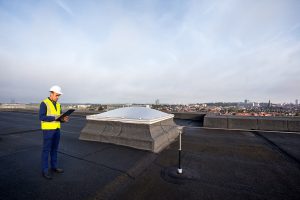
With a traditional inspection, a roofer physically gets onto the roof to check the membrane, seams, flashings and drainage components.
They feel for soft spots, test for blistering and note any areas where water might be pooling.
Because they’re on the surface itself, they can usually identify subtle faults that might not show up clearly in photographs.
There is a bit more setup involved, which may include ladders, boards or temporary access equipment. Some homeowners worry about disruption, although most professionals carry out the work with minimal fuss.
This hands-on approach tends to appeal to people who want a more tactile assessment of their roof’s health.
Comparing Accuracy and Detail
Drone surveys often provide excellent visual coverage, especially on larger buildings where walking the entire surface can take time. The overhead perspective may suggest patterns of wear, such as widespread UV damage or early signs of ponding.
In some cases, a drone may highlight areas that a roofer might otherwise overlook simply because they are difficult to reach.
That said, a set of photographs can only tell part of the story. An experienced roofer may notice small changes in texture, movement or softness that reveal deeper issues.
This is why some companies suggest using both methods, as the combination may offer a clearer and more confident understanding of the roof’s condition.
Safety and Access Considerations
For properties where access is limited, drones may provide a safer alternative. Fragile structures, steep drop-offs or unstable edges can all make traditional inspections riskier.
A drone also prevents any unnecessary foot traffic on ageing surfaces that appear likely to suffer further damage when walked on.
Traditional inspections still matter in cases where a roofer needs to feel the materials or check specific details up close. Drain outlets, joins, and repair patches may require physical interaction to assess properly.
A drone can show you where the issues might be, but a person on the roof is often needed to confirm exactly what’s going on.
Cost and Time Differences
Drone surveys may be completed relatively quickly, which sometimes makes them appear more cost-effective.
A specialist operator can usually finish the sweep in a short session, and the resulting images may be sent within hours.
Some companies may charge slightly more for using advanced equipment, though the time saved can make the fee feel reasonable.
Traditional inspections may take longer, particularly on roofs with awkward layouts or multiple layers of detailing. Labour time tends to be higher, and any required access equipment may add to the total cost.
Even so, some homeowners prefer the reassurance of having a technician physically check each area, especially when the problem seems localised.
When a Drone Survey Makes More Sense
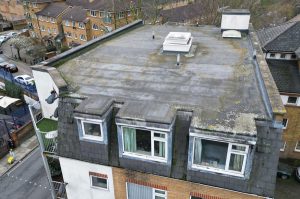
Drones tend to shine on large commercial roofs, warehouses or buildings where access is genuinely difficult.
They can offer a quick sweep of the entire area, allowing you to see emerging issues before they develop into something more serious.
Homeowners with tall or hard-to-reach extensions may also find drone surveys appealing because they reduce the need for ladders.
Another situation where drones may help is during the initial planning stage of a project. When you simply need an overview before deciding on repairs or replacement, a drone can provide that early snapshot.
It isn’t a full diagnostic tool, but it may guide your next steps more effectively than guesswork.
When a Traditional Inspection Is More Appropriate
If you suspect leaks, soft spots or membrane failure, a traditional inspection is likely to offer the most clarity.
Roofers can press, lift and test components in a way that images alone cannot replicate.
It’s especially useful on roofs with older felt systems or patchy repair histories where the condition appears unpredictable.
Traditional inspections also suit situations where detailed measurement or moisture detection is required.
Some faults hide beneath the surface and only become obvious when touched or probed. Homeowners often feel more confident when a professional has completed a thorough on-site diagnosis.
Combining Both Methods for a Balanced Approach
Many roofing firms now use both approaches, starting with a drone to gather broad visuals before following up with targeted manual checks.
This may reduce time spent climbing around the roof, while still ensuring that important tactile details are not missed. It’s a method that balances efficiency with reliability.
For homeowners, the blended approach often feels reassuring. You get a clear overall picture alongside expert confirmation of any concerns identified in the footage.
It may also help you decide whether repairs are essential or whether minor issues can be monitored for a while longer.
Conclusion
Choosing between a drone survey and a traditional inspection depends on the age of your roof, ease of access and how much detail you want.
A drone may give you a useful early overview, yet a hands-on assessment still provides information that imagery alone struggles to capture. Both can be effective, though their strengths differ.
If you’re unsure which route to take, speaking with a qualified flat roofing specialist may help clarify things. They can look at your property, consider the likely issues and suggest the method that suits your needs best.
The right choice usually comes down to what will give you the clearest understanding of your roof’s actual condition.