
Flat roofs often get labelled as the problem child of roofing, but in reality, the material usually isn’t the issue. More often than not, it’s the way the roof has been installed.
A well-fitted flat roof can last decades, while a poorly executed one may start showing issues far sooner than expected.
The difficulty is that bad workmanship does not always shout for attention straight away. Many defects sit quietly beneath the surface, appearing harmless at first.
By the time obvious damage shows up, repairs can become more disruptive and expensive than anyone would like.
Uneven Surfaces and Standing Water
A flat roof is never meant to be completely flat. There should always be a slight fall to guide rainwater towards drainage points.
If you regularly notice puddles that linger long after rainfall, this may suggest the roof has not been laid with proper consideration for water run-off.
Standing water adds unnecessary stress to the roofing system. Over time, it can work its way into weak spots, seams, or joints.
While a little pooling can sometimes be unavoidable, persistent or widespread ponding is rarely a good sign.
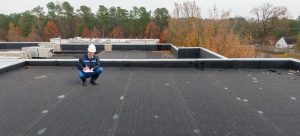
Untidy or Inconsistent Seams and Joints
Seams are one of the most telling indicators of workmanship quality. On a properly installed flat roof, joins should look neat, consistent, and firmly bonded.
If seams appear uneven, wavy, or poorly aligned, it may point towards rushed work or a lack of experience.
Small gaps or lifting edges may not seem urgent, but they often become entry points for moisture.
Once water starts creeping in, it can travel further than expected, quietly causing damage beneath the surface.
Flashing That Looks Rushed or Out of Place
Flashing plays a vital role in protecting the vulnerable edges and junctions of a flat roof. This includes areas around walls, skylights, vents, and roof edges.
Poorly fitted flashing can look bulky, uneven, or overly reliant on sealant to hide mistakes.
Excessive sealant is often a giveaway. While sealants have their place, they should not be used to compensate for poorly cut materials or inaccurate detailing.
If flashing looks messy or inconsistent, it may struggle to perform its job long term.
Blisters, Bubbles, or Wrinkles in the Roofing Membrane
Blisters and bubbles usually form when air or moisture becomes trapped beneath the membrane during installation.
This can happen if the surface wasn’t prepared properly or if materials were laid in unsuitable weather conditions.
These imperfections rarely fix themselves.
In fact, they often expand with temperature changes, gradually weakening the roof covering. Left alone, they can split or tear, allowing water to penetrate the structure below.
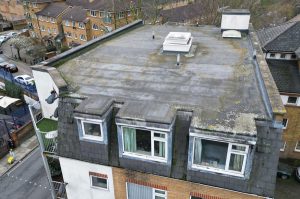
Poor Drainage Details Around Outlets and Gutters
Drainage points are where flat roofs often fail first. Outlets should be securely fitted, free-flowing, and neatly integrated into the roofing system.
Cracks, loose fittings, or visible gaps around outlets may suggest careless installation.
Water staining around gutters or downpipes can also raise questions.
It may indicate that water is not being directed away efficiently, increasing the risk of leaks and premature wear in surrounding areas.
Evidence of Patch-Up Repairs Soon After Installation
If a flat roof requires repairs shortly after being installed, it is worth paying attention.
While minor adjustments can sometimes be expected, repeated patch jobs often hint at deeper problems beneath the surface.
Frequent use of temporary fixes, such as extra sealant or small membrane patches, can be a red flag.
These measures may hide symptoms without addressing the root cause, allowing the underlying issue to worsen over time.
Internal Warning Signs Inside the Property
Problems with flat roof workmanship do not always stay outside. Inside the property, you may notice damp patches forming on ceilings or upper walls. Peeling paint and discoloured plaster can also be early indicators.
Musty smells or a persistent feeling of damp may appear before visible damage does.
These signs often suggest moisture has been present for some time, quietly working its way through the building fabric.
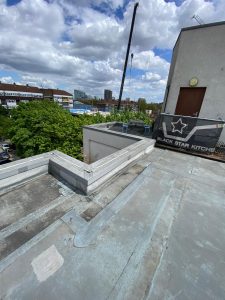
Why Poor Workmanship Often Goes Unnoticed at First
New flat roofs can give a false sense of security. Everything looks clean, tidy, and freshly installed, which makes it easy to assume all is well. Some issues only emerge after the roof has been exposed to heavy rain, frost, or prolonged sun.
Seasonal changes can highlight weaknesses that were not obvious at first. Expansion, contraction, and water exposure tend to reveal shortcuts or errors that initially went unnoticed.
What to Do If You Suspect Poor Flat Roof Workmanship
If something does not look right, it is usually best to act sooner rather than later. Taking clear photos and noting when issues appear can help build a clearer picture of what is going on.
Avoid quick DIY fixes that may complicate matters later.
Arranging a professional inspection can provide reassurance or confirm concerns. An experienced roofer can often identify whether the issue is cosmetic or structural and advise on the most sensible next steps.
Catching Problems Before They Become Costly
Spotting poor flat roof workmanship early can make a significant difference. Small defects are generally easier and cheaper to address before they develop into widespread damage or internal leaks.
Keeping an eye on both external and internal warning signs may save considerable stress in the long run.
A flat roof that is properly installed and maintained should offer peace of mind, not ongoing concern. Choosing the right contractor goes a long way.
Get in touch with us today for more information.