
Ponding on flat roofs is widespread in the UK, often leading to structural damage, damp problems, and health concerns such as mould growth. Despite the term “flat roof,” these surfaces should allow water to flow away efficiently.
However, rainwater can accumulate and compromise the roof’s integrity if proper drainage measures are not in place.
To protect your home or commercial property from these issues, exploring innovative drainage solutions that reduce ponding, increase roof longevity, and maintain a healthier, more comfortable environment within is essential.
Understanding the Causes of Ponding
Flat roofs, by their very nature, have only a slight gradient, making it more challenging for water to run off compared to pitched roofs. Poor initial construction, ageing materials, or blockages in existing drainage systems may all contribute to puddles forming.
Additionally, unpredictable British weather, with frequent rain and seasonal storms, places added strain on standard drainage methods.
By understanding these underlying causes, property owners and managers can identify issues early on and implement targeted strategies to prevent persistent water accumulation.
Traditional Drainage Methods: Their Limitations
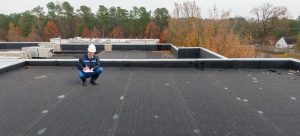
Standard approaches, such as simple guttering and downpipes, often struggle to handle the volume of water typical of the UK’s climate. With time, leaves, dirt, and other debris can clog these systems, reducing their effectiveness and allowing water to remain on the roof’s surface.
In many older installations, insufficient slopes and outdated materials further exacerbate drainage problems.
These traditional methods, while serviceable in the past, may no longer be enough to meet modern roofing demands.
Innovative Drainage Technologies and Techniques
Emerging technologies offer new possibilities for efficient flat roof drainage. Smart drains equipped with sensors and automated control mechanisms can respond quickly to changes in water flow, ensuring prompt removal of any build-up.
Siphonic drainage systems, widely used in commercial environments, harness pressure differentials to clear water rapidly, reducing reliance on large pipe diameters and minimising blockages.
Beyond technology, green roofing elements can also help by allowing vegetation and permeable layers to absorb or slow runoff, contributing to both aesthetic appeal and improved water management.
Enhanced Roofing Materials and Installation Methods
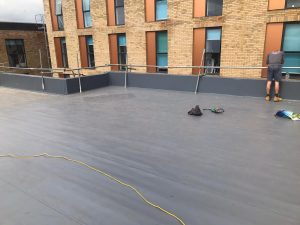
Modern roofing membranes are now designed with water management in mind, allowing rainwater to disperse smoothly and curtailing areas where ponding is likely to occur.
Tapered insulation systems, cleverly integrated beneath the roofing surface, can create subtle gradients that guide water towards drains without altering the building’s overall design.
Correct installation by experienced professionals ensures that all components—membranes, insulation, and drainage channels—work together seamlessly to maintain a consistently dry and secure roof environment.
Maintenance Practices for Ongoing Water Management
Even with the best drainage solutions, regular maintenance is crucial. Scheduling periodic inspections helps detect early signs of wear, debris build-up, or minor damage before they escalate into more costly problems.
Clearing gutters and drains, removing leaves and dirt, and checking for any irregularities ensures that these advanced systems continue to function optimally.
By actively managing the roof’s drainage, property owners extend its lifespan, reduce unexpected expenses, and preserve the value of their investment.
Cost Considerations and Long-Term Benefits
While some innovative drainage solutions may require a modest initial outlay, the long-term rewards often outweigh these costs. Preventing ponding reduces the need for frequent repairs, thus saving both time and money.
Moreover, efficient drainage can boost a building’s energy efficiency and comfort, as a well-maintained roof helps regulate indoor temperatures and prevents moisture infiltration.
Overall, implementing modern drainage approaches not only safeguards against costly flat roofing repairs but also enhances the quality and longevity of the property as a whole.

Conclusion and Final Recommendations
Eliminating ponding on flat roofs is about more than just preventing a short-term inconvenience.
It protects your building’s structure, preserves its aesthetic qualities, and promotes a healthier, more sustainable environment.
By embracing cutting-edge drainage technologies, selecting appropriate materials, and adopting a proactive maintenance regime, you can ensure that your flat roof stands up to the challenges posed by the British climate.
Ultimately, investing in the right drainage solutions today can safeguard the comfort, value, and integrity of your property for years to come. Get in touch with us today for flat roofing solutions.