
When it comes to modern homes roofing solutions, single-ply membrane roofing is becoming a popular choice. Its versatility and performance make it a great option for contemporary homes. But what is single-ply membrane roofing and why should you get it for your home? Let’s find out its advantages and why it’s the go-to for homeowners.
What is Single-Ply Membrane Roofing?
Single-ply membrane roofing is a flat roofing system made up of flexible sheets of synthetic materials. The most common are:
TPO (Thermoplastic Polyolefin): Reflective and energy efficient.
PVC (Polyvinyl Chloride): Durable and chemical resistant.
EPDM (Ethylene Propylene Diene Monomer): Rubber based and weather resistant.
These are applied in a single layer and secured to the roof using adhesives, fasteners or ballast.
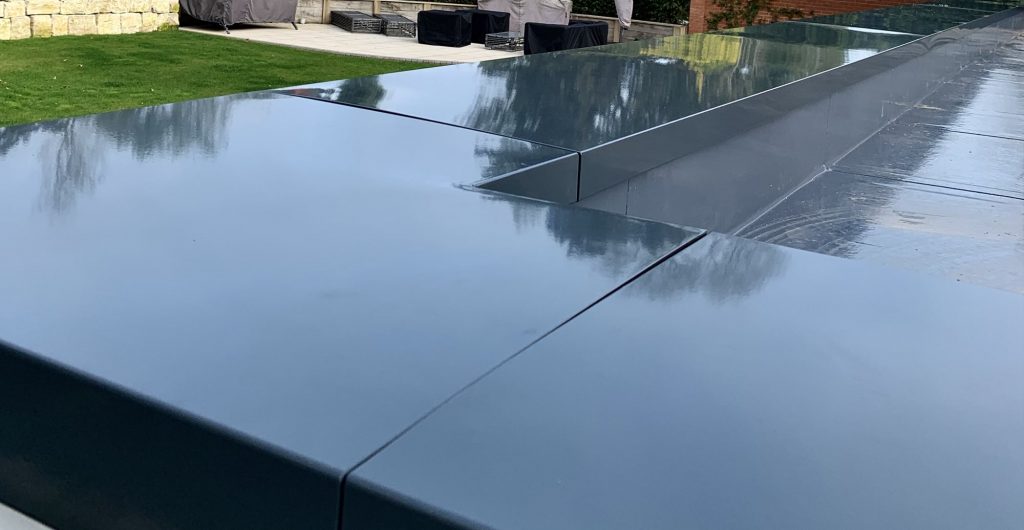
Single-Ply Membrane Roofing Benefits
Durability and Lifespan
One of the best features of single-ply membranes is its weather resistance, UV rays and chemical resistance. These roofs are designed to withstand the elements, up to 30 years or more if properly maintained.
Cost
More affordable than other flat roofing systems in terms of initial installation and long term maintenance. Less repairs needed, saves you money in the long run.
Energy Efficiency
TPO and PVC membranes are reflective, they bounce back the sun’s rays instead of absorbing heat. Keeps your home cooler in summer, reduces the load on your aircon and lower your bills.
Flexibility and Lightweight
These are lightweight and flexible, can be installed on various roof shapes and structures. Minimal weight also reduces the load on your home’s structural components which can be a critical factor for extensions or old buildings.
Eco Friendly
Many single-ply membranes are recyclable at the end of its life cycle, eco friendly. Plus its energy saving properties reduces carbon footprint, in line with modern sustainability goals.
Modern Homes Applications
Single-ply membrane roofing is applicable to various residential applications:
Home extensions: Great for flat or low slope roofs.
Garages and outbuildings: Durable and weather resistant.
Green roofs: Can be used as base layer for vegetation, insulation and aesthetics.
Solar panel integration: Works well with solar systems, more energy efficient.
Drawbacks and How to Fix Them
Like any roofing system, single-ply membranes have its downsides. More prone to punctures especially from sharp objects or heavy foot traffic. But these can be addressed by using protective layers and regular inspections. Professional installation is also key to avoid issues like improper sealing or poor drainage.
How to Choose a Contractor for Single-Ply Roofing
To get the most out of single-ply membrane roofing, you need to work with a qualified contractor. Here are some tips to help you:
Look for contractors with experience in single-ply systems.
Ask for references and check online reviews.
They should offer warranty on materials and workmanship.
Discuss their maintenance and repair approach.
Summary
Single-ply membrane roofing has many benefits that makes it perfect for modern homes. From durability and cost to energy efficiency and eco friendliness, this roofing solution is designed for today’s homeowner. If you’re planning to get a new roof or upgrade your existing system, single-ply membranes is worth checking out.
Ready to enhance your home with a reliable, long-lasting roofing solution? Contact Watkins Flat Roofing today to learn more about the options available to you.